Concrete Sealing in Marysville, WA
Sealing for new and existing concrete to fight moisture intrusion, surface staining, and wet-season wear.
What’s Included in a Sealing Project
Surface cleaning
The slab is cleaned of dirt, oil, and any existing degraded sealer before a new coat is applied.
Repair check
Any small cracks or surface damage are addressed before sealing, since sealing over damage doesn’t fix the underlying issue.
Sealer selection
We recommend a sealer type based on the surface: penetrating sealers for plain concrete, film-forming sealers for stamped or stained finishes that need a sheen.
Application
Sealer is applied evenly in the recommended number of coats, with proper dry time between coats.
Cure time
The surface needs time to cure before heavy foot or vehicle traffic resumes.
Why Sealing Matters More in Western Washington
Our long wet season means unsealed or under-sealed concrete has more exposure to moisture intrusion than concrete in drier climates, which contributes to surface staining, gradual surface wear, and a shortened lifespan. Sealing on a regular schedule is one of the most cost-effective ways to protect your investment in a driveway, patio, or walkway here.
What Affects the Cost of Sealing
Sealing cost depends mainly on square footage, the sealer type used, and the surface condition (a heavily stained or damaged surface may need extra prep). New concrete sealing is generally more straightforward than resealing an older, weathered surface. We’ll spell this out in your written estimate.
What You Can Expect Working With Us
A sealer recommendation matched to your specific surface and finish, a realistic resealing schedule for our climate, and a written estimate before work starts.
Ready for a Free Concrete Sealing Estimate?
We’ll walk your site, explain your options, and give you a written estimate, no pressure.
Sealing Projects
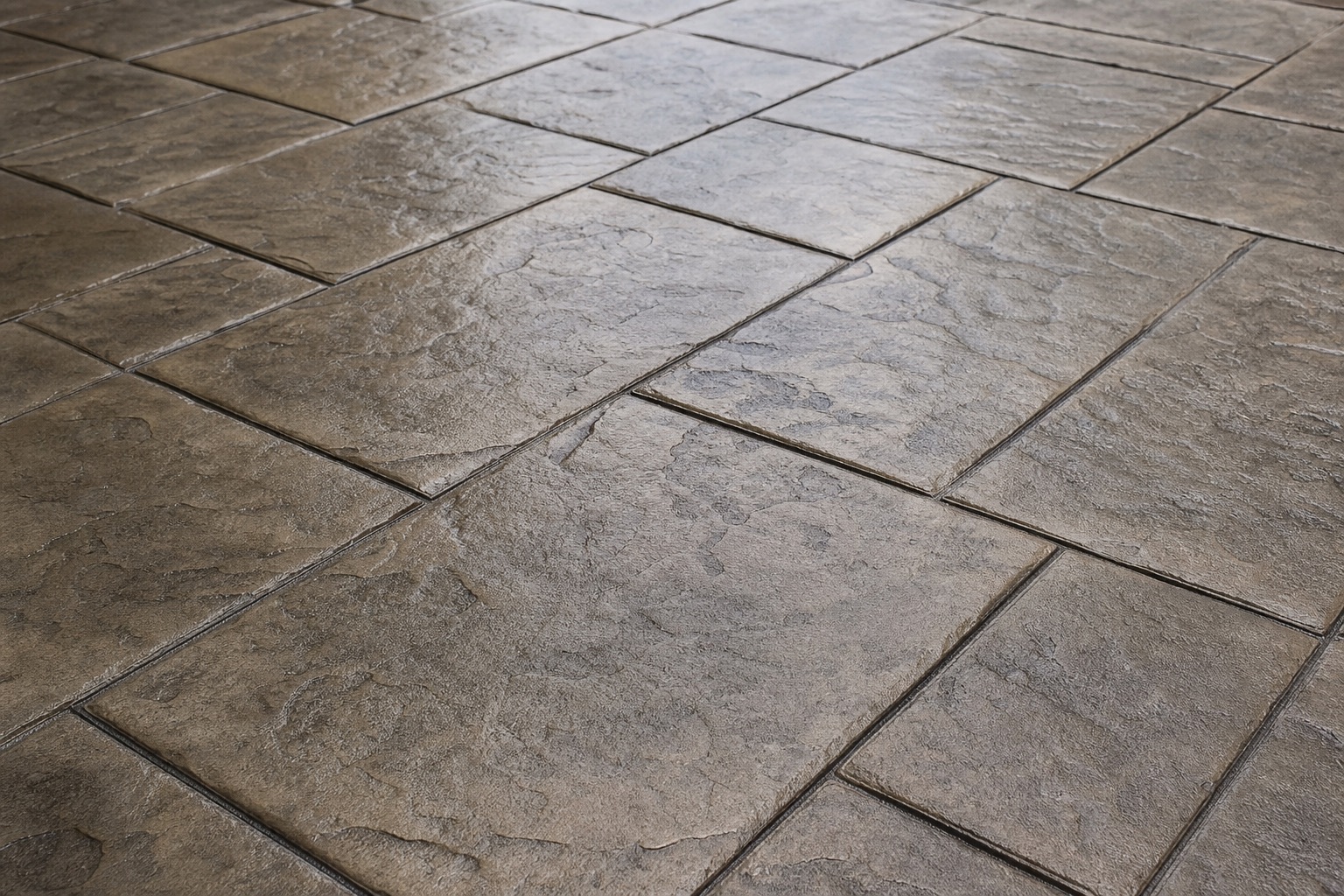
See more in our full gallery.
Concrete Sealing FAQs
How often does concrete need to be resealed?
It depends on the sealer type, traffic level, and exposure, but our wet climate generally calls for more frequent resealing than a drier region. We’ll recommend a schedule specific to your surface.
What’s the difference between a penetrating sealer and a film-forming sealer?
Penetrating sealers soak into the concrete and are mostly invisible, good for plain driveways and patios. Film-forming sealers sit on top of the surface and add sheen, commonly used on stamped or stained concrete to enhance color and texture.
Can you seal an older driveway or patio, or only new concrete?
Existing concrete can be sealed as long as the surface is properly cleaned and any needed repairs are addressed first.
How long after pouring should new concrete be sealed?
New concrete generally needs to cure for a period before sealing so the sealer bonds properly. We’ll recommend the right timing based on your project.
Related Services
Protect Your Concrete Investment
Serving Marysville, Arlington, Lake Stevens & the rest of Snohomish County.